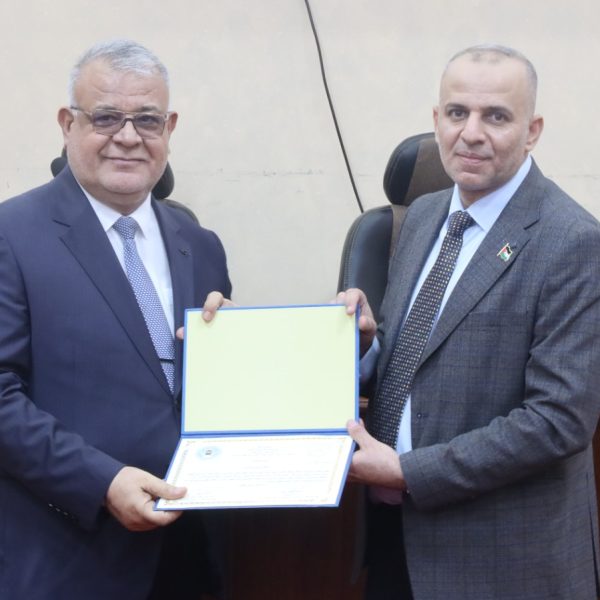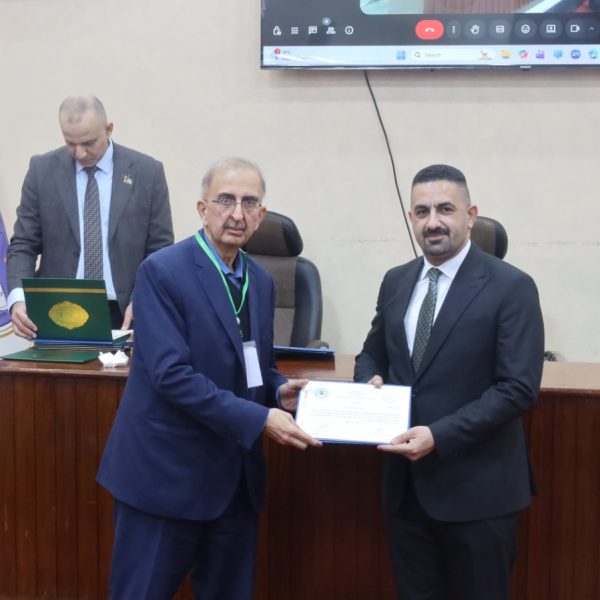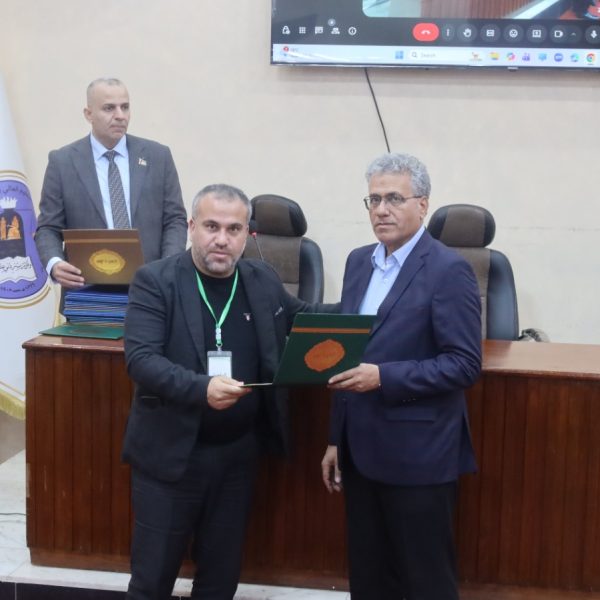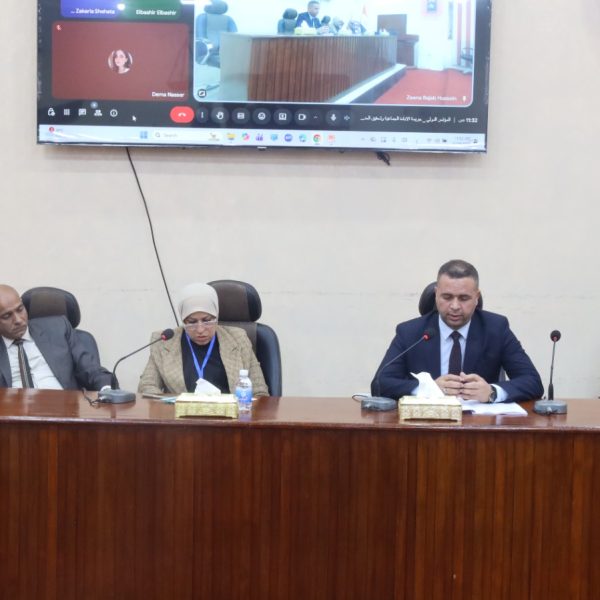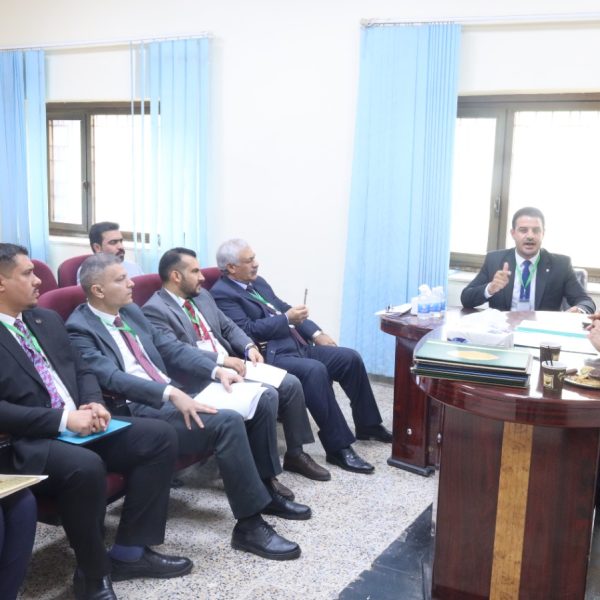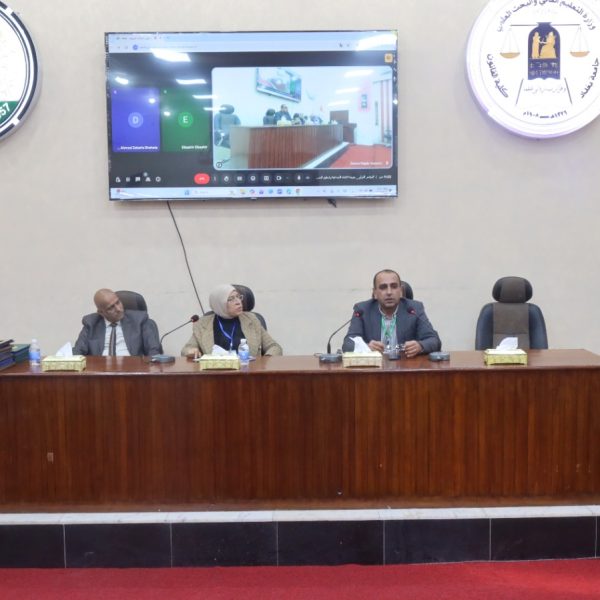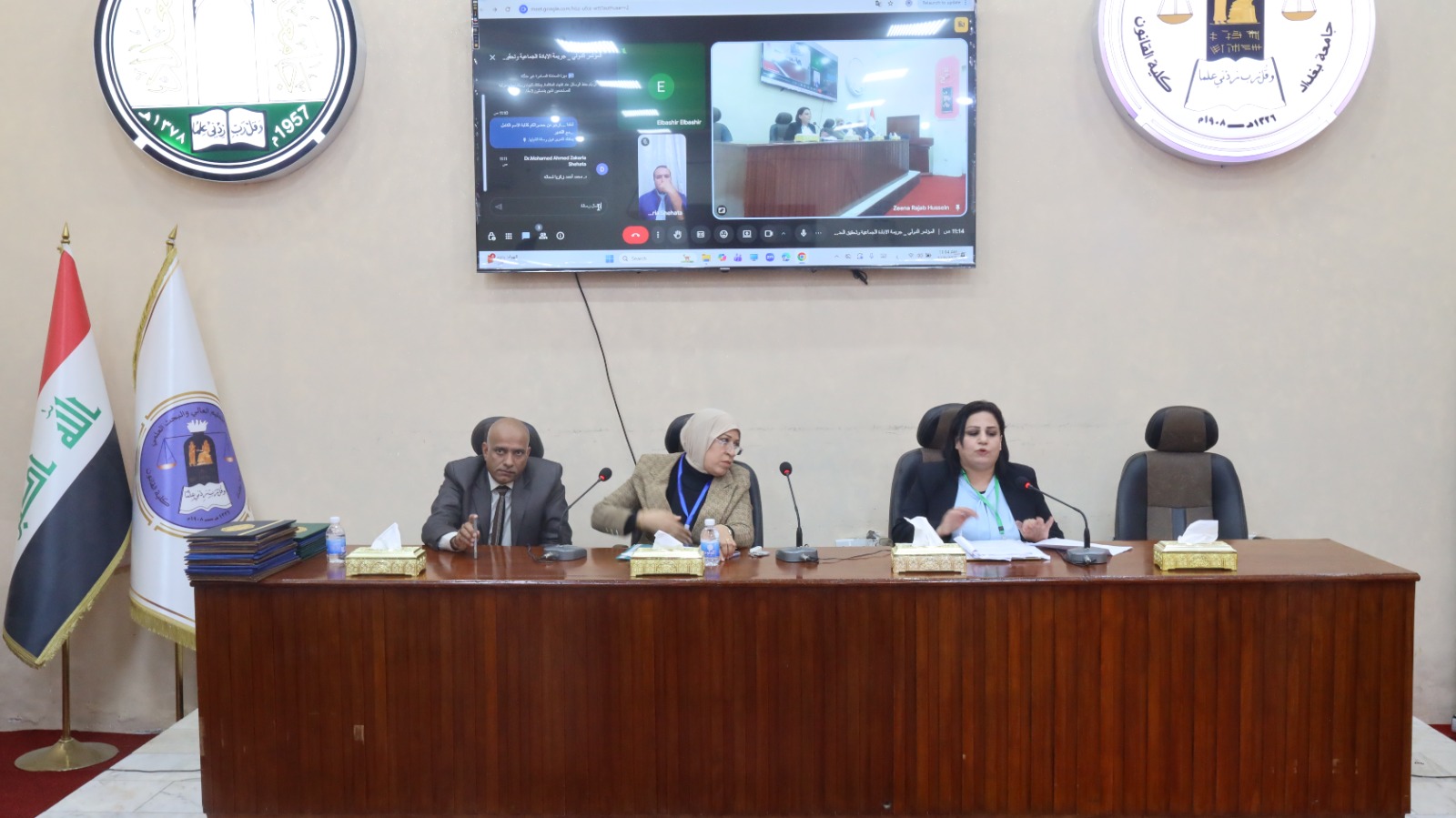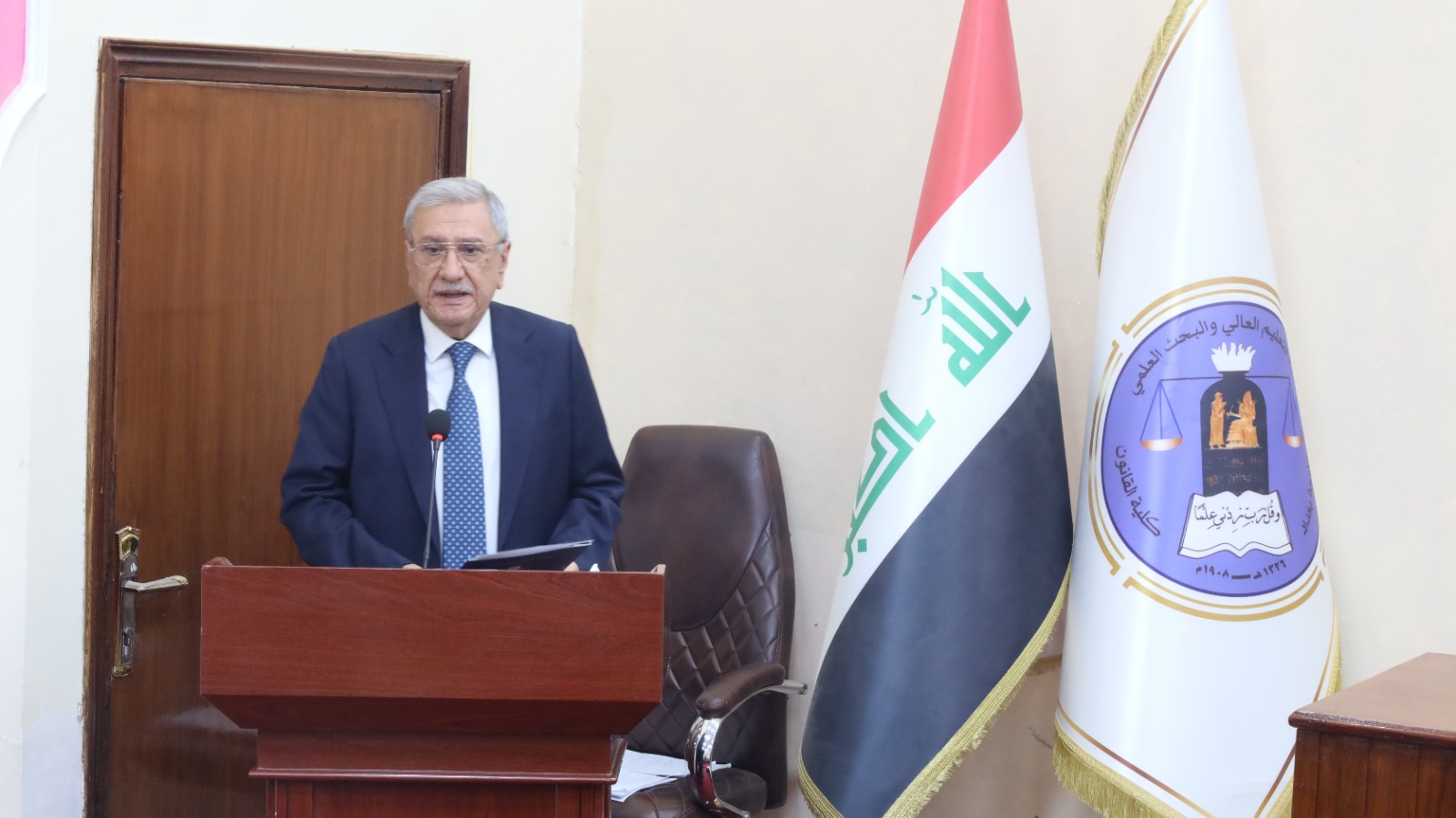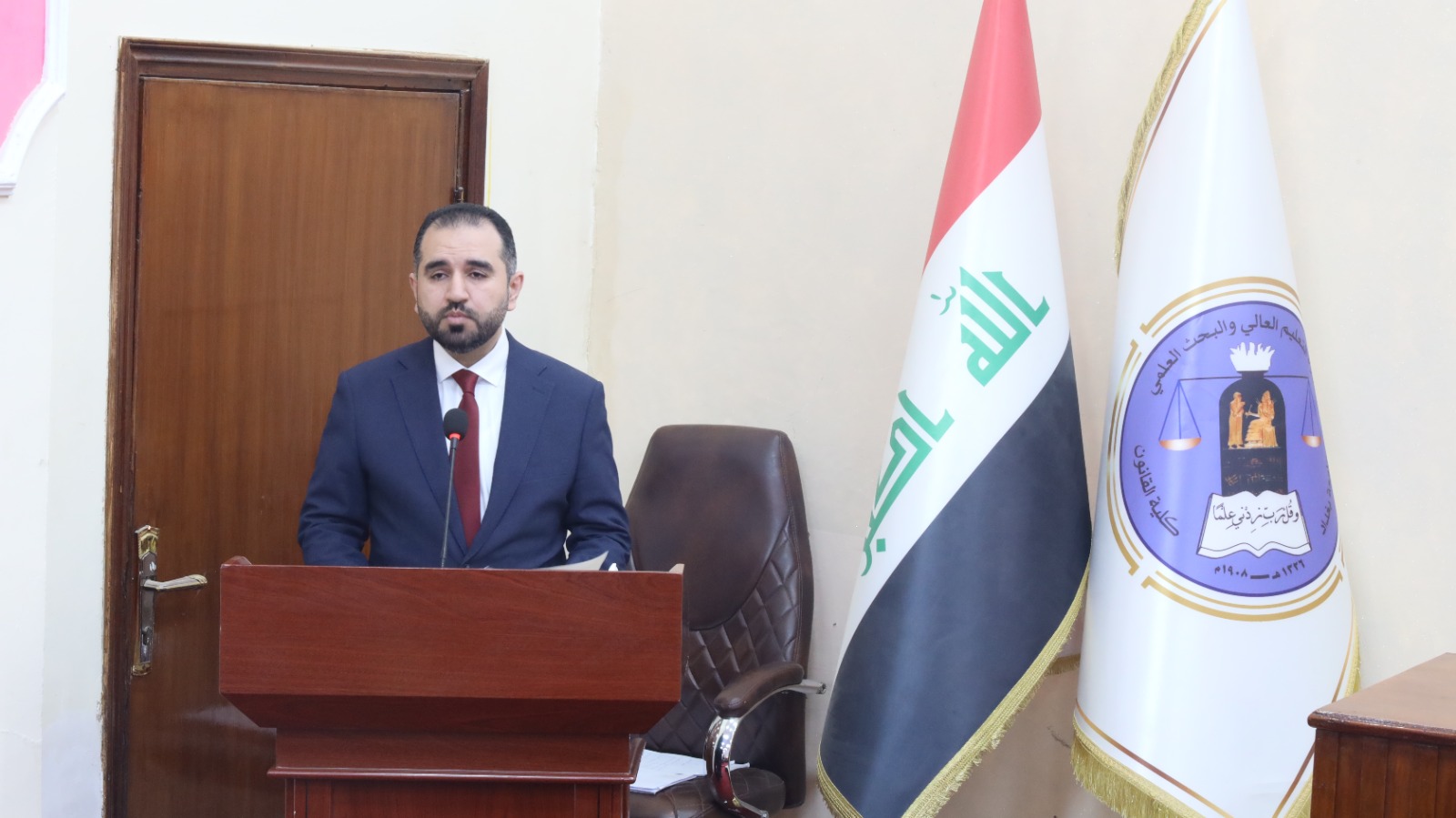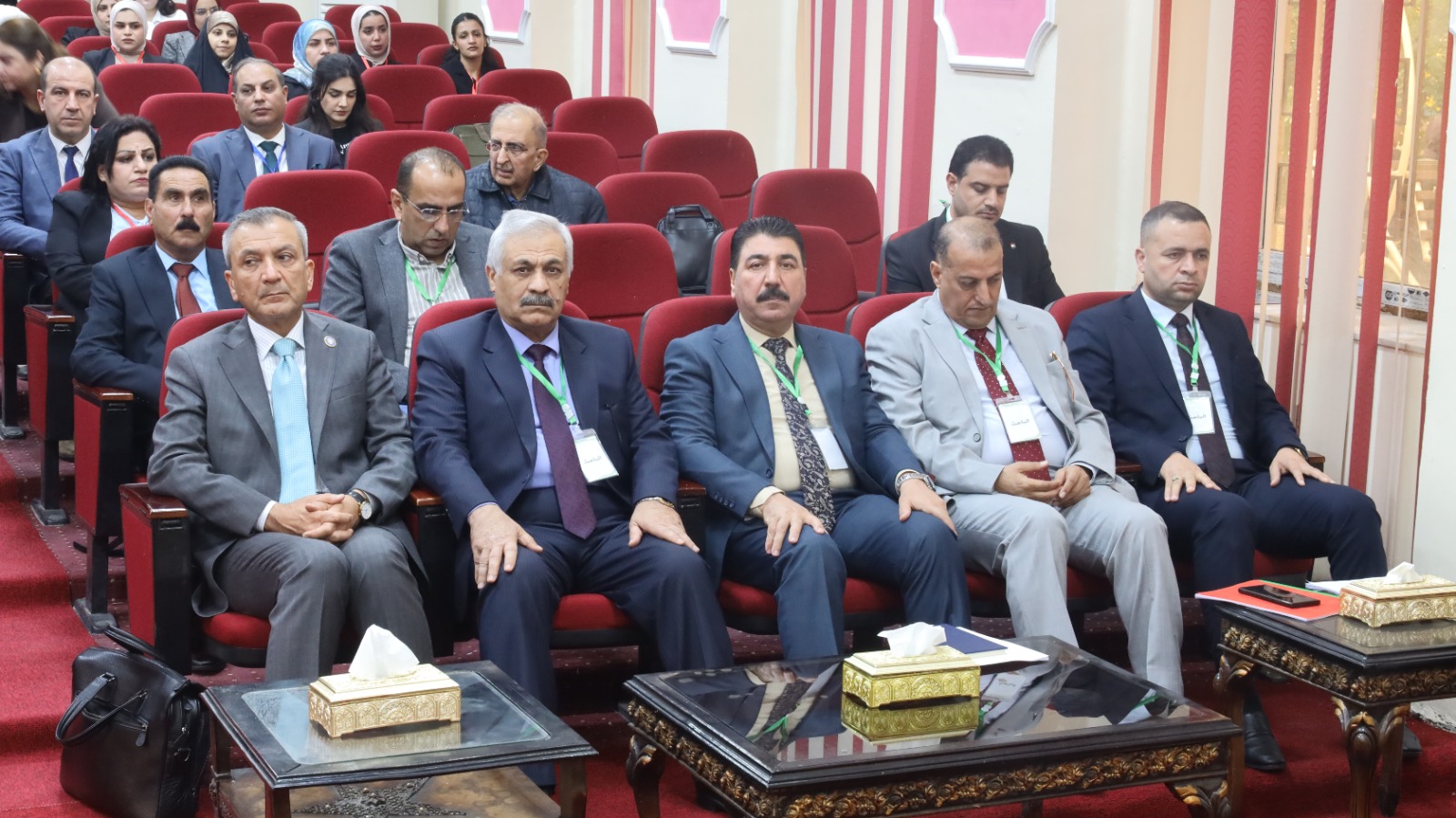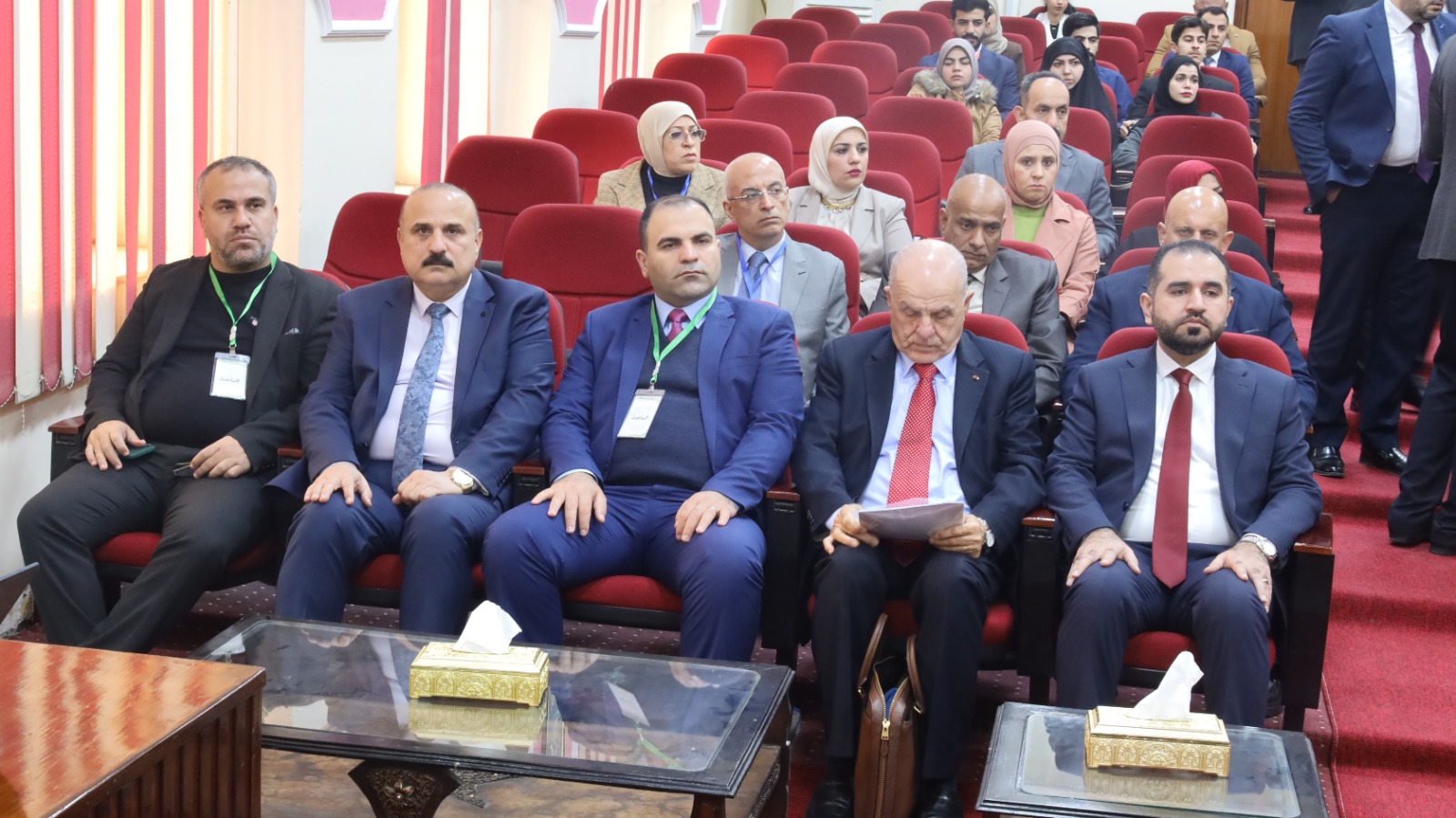
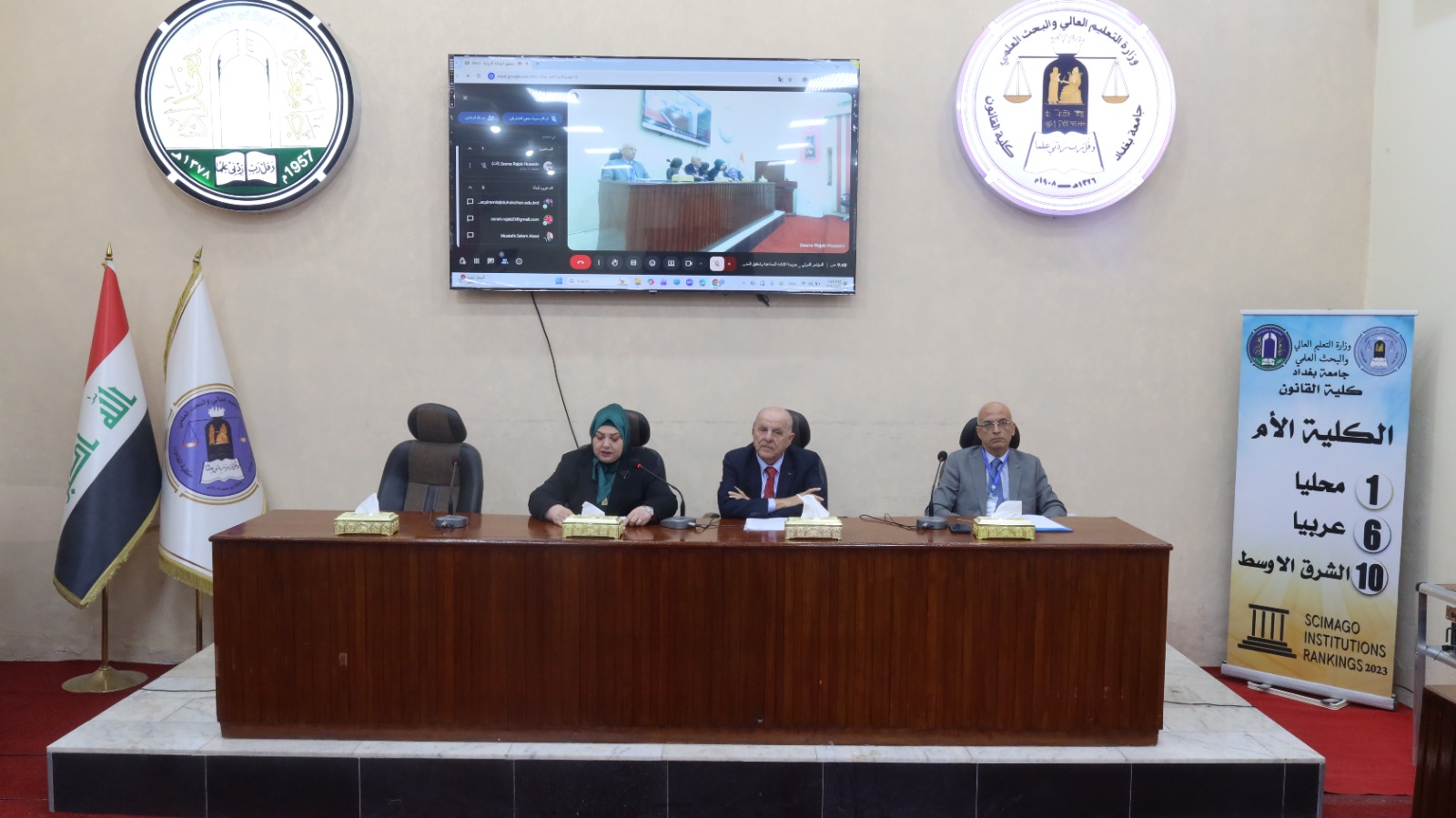
Under the patronage of the Dean of the College of Law at the University of Baghdad, Professor Dr. Ali Hadi Atiya, and in cooperation with Imam Ja‘far Al-Sadiq University (peace be upon him), the international scientific conference entitled “The Crime of Genocide: Documentation and Accountability – Crimes of ISIS Terrorist Gangs against the Yazidi Community” was held, with broad participation from researchers and academics from inside and outside Iraq.
The conference was attended by a distinguished group of specialists in international criminal law and human rights, in addition to representatives of reputable research centers from several countries, giving the event significant scholarly and intellectual depth. The papers and interventions focused on the necessity of accurate documentation of the grave violations committed against the Yazidi community by ISIS terrorist gangs, and on the importance of strengthening accountability mechanisms to ensure that perpetrators do not escape punishment.
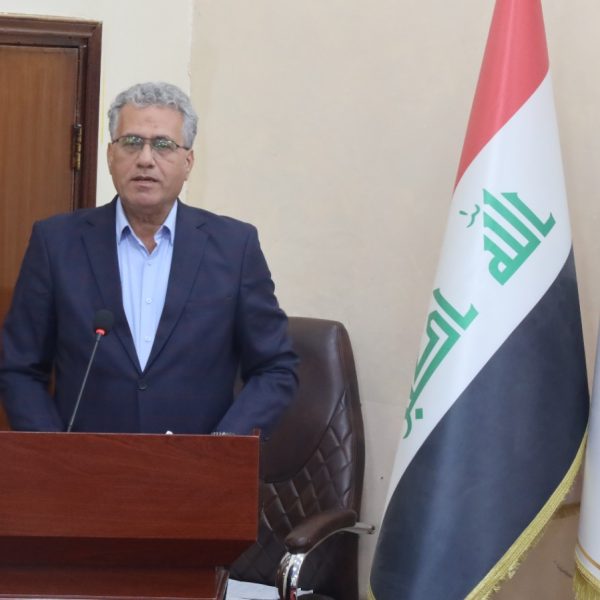
The conference proceedings opened with an inaugural speech delivered by the Head of the Endowment Office for Christian, Yazidi, and Sabean-Mandaean Religions, Assistant Professor Dr. Rami Joseph, who emphasized the importance of the national and institutional role in documenting the genocide crimes suffered by the Yazidi community, and the need to support scholarly and legal efforts aimed at achieving justice and prosecuting those responsible.
This was followed by a welcoming address by the President of Imam Al-Sadiq University (peace be upon him), Professor Dr. Riyadh Khalil Ibrahim, who expressed the depth of academic cooperation among Iraqi universities in supporting national and humanitarian causes, noting that this conference represents an important step toward enhancing legal awareness of victims’ rights and the obligations of the international community toward them.
Representing the College of Law – University of Baghdad, Professor Dr. Jalil Hassan Bshat, Assistant Dean for Scientific Affairs, also delivered a speech highlighting the academic efforts invested in organizing the conference and the college’s commitment to strengthening scientific research in the fields of genocide and transitional justice. He emphasized the importance of encouraging rigorous studies that contribute to documenting facts and confronting the legal and historical consequences of ISIS crimes.
The conference included discussion sessions addressing international community efforts to criminalize such acts, pathways for developing transitional justice systems, and prospects for cooperation among academic institutions to consolidate legal and human rights awareness regarding genocide crimes.
The sessions also witnessed active contributions that enriched the scholarly debate and offered important insights into documentation and the defense of survivors’ rights, underscoring the necessity of fostering a culture of justice and fairness in confronting these crimes.
The conference concluded with a set of recommendations stressing the continuation of academic and research efforts to support survivors’ causes and to strengthen the role of legal institutions in achieving justice for affected communities.